q30 design is a consultancy that works with organizations to help define and communicate their brands.


What is Apple?

April 14th, 2010  |  Karen Henricks

Last night I watched the final few minutes of Jeopardy – I was just in time to catch the Final Round. The category? BRAND LOGOS. I was excited – excited enough to put down the TV remote.

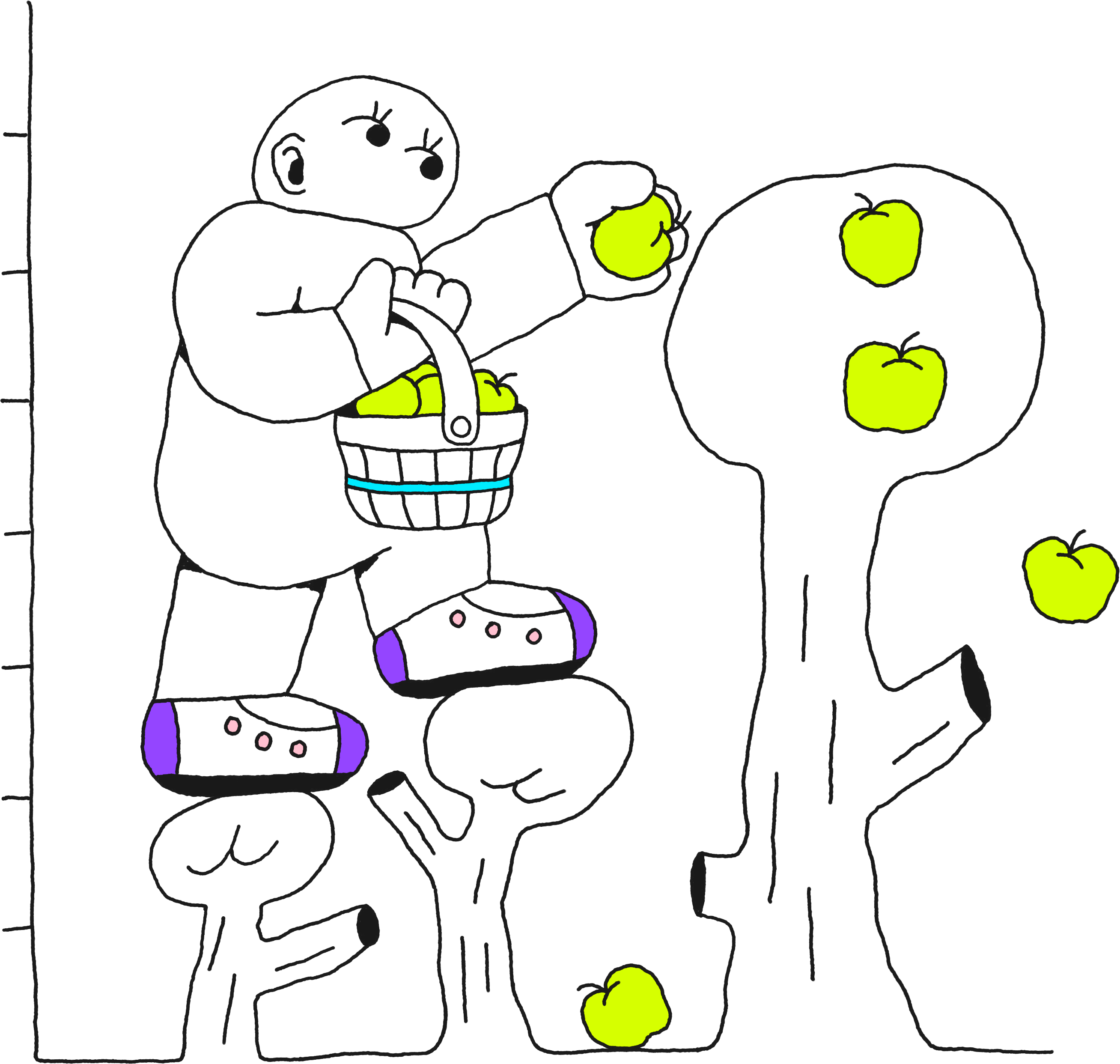
The clue? “Its original logo, designed in 1976, showed Isaac Newton sitting under a tree.”

Too easy! You don’t have to know anything about brand logos to get that one. All you have to know is that the type of tree Newton is always associated with is an apple tree. All three contestants offered the correct response… “What is Apple?”

Although it was refreshing to see branding in front of a mainstream audience, the clue did not actually require the contestants to have knowledge of the category.

Why was the answer so obvious? It’s because Apple had a really good idea for their identity – a concept that is easy to grasp, relate to and recall. In addition to the 1976 logo, Apple consistently makes smart decisions for their products and marketing strategies, further cementing the Apple brand in the public’s mind.

If only all Jeopardy clues were this easy.

Why buy the cow when you can get the milk for free?

September 9th, 2009  |  Peter Scott

crowdSPRING

Speculative work (doing work for free in hopes of landing a job) and the design profession have met once again, this time with a fancy new name called “crowdsourcing” (seemingly coined by Wired Mag and now a Wikipedia entry). U.S. ad firm, Crispin, Porter + Bogusky crowdsoursed a logo for their client Brammo, a manufacturer of electric ‘powercycles’. Posting the job on crowdsourcing Web site crowdSpring they offered $1,000 to the winning logo design and received a huge number of entries from which to choose. A variety of blogs have taken up the discussion on the pros and cons of this new way to reach out to the masses for creative ideas. It is an age old dilemma and still seems to divide those of us who believe that to do the best strategic work for a client, you need thorough and thoughtful analysis and the group that believes more is better (and cheaper).

YouTube and the Domino’s effect

April 17th, 2009  |  Darrell Corriveau

A recent report in the NY Times presents an interesting dilemma for organizations and the management of their brands.

A “prank” video from two Domino’s Pizza employees shows them preparing delivery orders in various unsavoury ways. Despite the fact this is a really bad way to gain your 15 minutes of fame, the video received more than a million hits and the result is major damage to an otherwise strong and well-regarded brand. The article notes “References to the video were in five of the 12 results on the first page of Google search for Domino’s, and discussions about Domino’s had spread throughout Twitter”. Despite the two offenders being charged and admitting it was a fake, the Domino’s name was tarnished in record time. The brand will presumably rebound, but the adage that “no publicity is bad publicity” might need to be rethought.

What’s smart about GE’s Augmented Reality?

March 18th, 2009  |  Darrell Corriveau

augmented

GE, maker of everything from light bulbs to jet engines, is also developing technology and products for smart grids – the next generation of the electricity system. To help explain the smart grid concept, they’ve produced a nifty website that includes a component they are calling Smart Grid Augmented Reality. To make it work, the user prints a simple black and white image on a sheet of plain paper and then holds it up to their computer’s webcam. 

Then, in a truly ‘how did they do that?’ moment, an image of wind turbines and houses on a grassy landscape seems to unfold in a three-dimensional manner from the paper image on the computer screen. The image can then be moved and turned by manipulating the paper in the users hands. And that’s not all. By blowing into the computer microphone, the user can actually increase the speed of the wind turbines. It’s a neat bit of tech trickery from a massive company known for its innovation, but really, the presentation is not of much use. You will learn very little, if anything, about the concept of smart grids by giving it a try. But maybe that’s just fine. Despite the absence of social media links of any kind, the site has still managed to go viral to some degree – and if it’s not deepening the understanding of smart grid technology, it certainly is creating brand awareness for GE. The technology could also serve as a springboard for other more meaningful applications in the future.